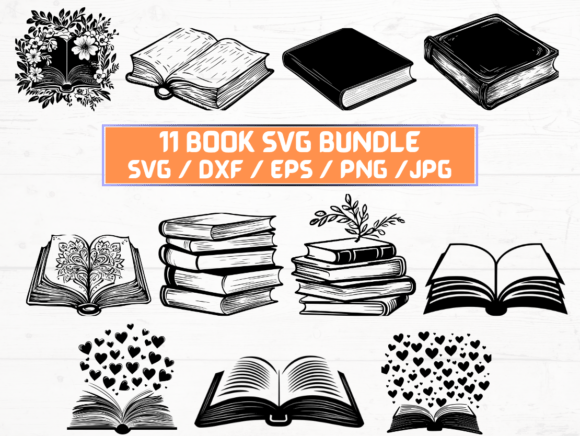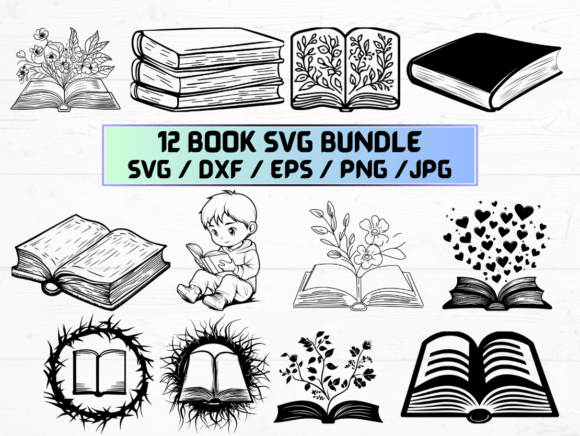
Book Laser Engraving Cut Files: Graphics and Crafts for Editorial Design
As a digital publisher who has spent years refining the visual architecture of content websites, I have learned that the difference between a scroll-past and a click-through often comes down to one thing: visual hierarchy. When I first encountered the Book Laser Engraving Cut Files, my immediate reaction was not just about the craft aspect, but about its potential as a graphic design asset for editorial purposes. While categorized under Crafts and Graphics, this collection offers a unique aesthetic that can elevate blog visuals, website branding, and downloadable resources if used with intention.
The moment you unpack the ZIP folder, which includes an impressive array of formats—SVG, PNG, DXF, JPG, and EPS—you realize this is more than a simple clipart pack. It is a versatile toolkit. The inclusion of 300 dpi PNGs with transparent backgrounds immediately signals professional-grade quality suitable for high-resolution web displays. For a blogger or content creator, this means these assets are ready to be dropped into Canva templates, Adobe Illustrator projects, or directly onto WordPress pages without worrying about pixelation or awkward white borders.
The Editorial Mood and Reader Perception
Every design element sets a tone. In the world of content marketing, your imagery speaks before your headline does. The Book Laser Engraving Cut Files carry a distinct mood that leans toward the artistic, modern, and slightly nostalgic. The laser engraving style evokes texture, depth, and craftsmanship. This is crucial for reader trust; it suggests that the content behind the image is well-crafted, thoughtful, and valuable.
If your niche involves lifestyle blogging, educational guides, or creative entrepreneurship, this aesthetic bridges the gap between playful and professional. It avoids the overly corporate stiffness of stock photography while steering clear of the chaotic energy of some trendy meme graphics. Instead, it offers a clean, bold, yet decorative feel. This makes it particularly effective for niches that value authenticity and handmade vibes, such as DIY tutorials, book reviews, literary blogs, or small business branding stories.
When placed on a website header or used as a category thumbnail, these files create an immediate sense of polish. They signal to the visitor that this is a curated space, not just a random collection of posts. In editorial design, consistency builds authority. By using these specific cut files across multiple touchpoints, you establish a recognizable visual identity that readers begin to associate with quality.
Real-World Publishing Applications
So, how do we move this from a craft supply to a core component of our publishing workflow? Here are several practical applications where these design assets shine:
- Pinterest Pins and Social Media Graphics: Pinterest is a visual search engine. The intricate details of laser engraving designs stand out in crowded feeds. Use the SVG or PNG versions to create vertical pins that highlight your top-performing articles. The transparent background allows you to overlay text cleanly, ensuring readability while maintaining visual interest.
- Digital Guides and Lead Magnets: If you are creating a digital product like an eBook or a worksheet, these files can serve as cover art or section dividers. The high-resolution PNGs ensure that your lead magnet looks expensive and professional, increasing the perceived value of the free resource you are offering in exchange for email signups.
- Newsletter Banners: Email open rates depend heavily on subject lines, but click-through rates depend on the body design. A custom banner created with these cut files can break up long blocks of text and guide the reader’s eye toward your affiliate links or featured products. It adds a layer of creative design that generic HTML templates lack.
- Website Headers and Hero Images: For a static site builder or a custom WordPress theme, these files can be used as subtle overlays on hero images. Because they are vector-based (SVG/EPS), they scale infinitely without losing quality, making them perfect for responsive web design.
- Affiliate Content Visuals: When reviewing products, especially those related to home decor, books, or creative tools, these graphics can enhance the review layout. They add context and atmosphere, helping the reader visualize the product in their own life.
Boosting Content Performance Through Visual Strategy
Incorporating the Book Laser Engraving Cut Files into your strategy is not just about aesthetics; it is about performance. A stronger first impression leads to longer time-on-page. Clearer visual hierarchy reduces cognitive load, making it easier for readers to digest information. Better click-through potential comes from visually distinct buttons and call-to-action areas framed by these elegant graphics.
Furthermore, consistent use of these brand identity elements improves category recognition. Over time, your audience will start to recognize your style even when seeing your content on social media platforms outside your direct control. This is the power of a cohesive modern design system. It transforms scattered blog posts into a unified brand experience.
Where to Exercise Caution
However, no single asset fits every scenario. As an experienced designer, I must advise caution in certain contexts. These files are decorative and detailed, which can be a drawback in specific situations:
- Small Mobile Thumbnails: On mobile devices, complex line art from laser engravings can become muddy or indistinguishable at small sizes. Always test your thumbnails at actual mobile dimensions. If the detail is lost, simplify the graphic or use a solid color block instead.
- Text-Heavy Blog Images: Avoid placing these graphics over dense paragraphs of text. They work best as accents, headers, or standalone visual breaks. Cluttered layouts confuse readers and hurt SEO readability scores.
- Serious Professional Niches: If you are writing for a corporate finance or legal audience, the "craft" vibe might undermine your authority. In these cases, stick to minimal, abstract, or photographic elements. Reserve these files for lifestyle, creative, or hobbyist niches.
- Low-Contrast Backgrounds: The strength of these files lies in their contrast. Using them on busy or low-contrast backgrounds will make them disappear. Ensure your background is clean and neutral to let the graphic pop.
Practical Publisher Notes for Implementation
To get the most out of this digital download, follow these technical checks before publishing:
- Screen Testing: View your designs on both desktop and mobile screens. What looks balanced on a large monitor may look cramped on a phone.
- Typography Pairing: Experiment with font pairings. These graphics pair beautifully with serif fonts for a classic look, sans-serif fonts for a modern twist, or script fonts for a personal touch. Test them alongside display fonts for headlines.
- Contradiction Check: Review the file in black and white. If the design relies solely on color to convey meaning, it may fail in grayscale prints or accessibility modes. Ensure the shape and structure hold up without color.
- Web Performance: Even though the source files are high quality, optimize your final output for the web. Compress images properly to reduce load times. Slow websites hurt user experience and search rankings.
- Licensing Verification: Before using these on monetized websites, affiliate pages, or paid content products, confirm the commercial license. Most marketplaces allow commercial use, but verifying terms protects your business from legal issues.
Ultimately, the Book Laser Engraving Cut Files are more than just crafts supplies; they are powerful tools for web design and editorial layout. By integrating them thoughtfully into your content marketing strategy, you can create a more engaging, trustworthy, and visually stunning online presence. Whether you are building a new blog or refreshing an existing brand, these assets offer the flexibility and quality needed to compete in today’s visual-first digital landscape.