Brain SVG, DXF, EPS, JPG, PNG: A Brand Designer’s Review
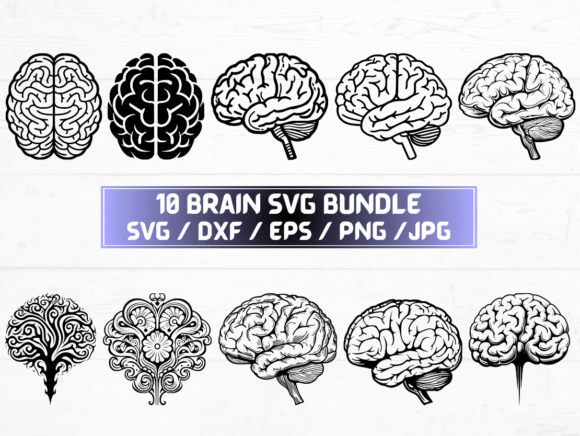
In the world of content marketing and visual branding, first impressions are not just about aesthetics; they are about cognitive resonance. As a brand designer who has spent years helping small businesses and creative entrepreneurs refine their visual identity, I have learned that the right graphic design asset can bridge the gap between complex ideas and audience trust. Today, I am reviewing a specific digital product that has been making waves in the creative marketplace: the Brain SVG, DXF, EPS, JPG, PNG bundle. This review is framed around a real-world scenario: a lifestyle coach launching a "Mindset Mastery" digital course and needing cohesive visuals for a multi-channel campaign.
The First Impression: Mood and Visual Tone
When you first open the ZIP folder containing this design bundle, the immediate takeaway is clarity. The illustration style strikes a balance between modern design principles and approachable charm. For a brand focused on education, psychology, or wellness, the mood created by this asset is one of intellectual curiosity mixed with creative problem-solving. It does not feel overly clinical or sterile, which makes it highly suitable for casual branding as well as premium visuals.
The emotional tone is inviting. In a crowded social media feed, a clean, stylized brain illustration signals intelligence without intimidation. It suggests that the content creator understands the complexity of the human mind but presents it in a digestible format. This is crucial for content marketing where the goal is to attract attention without looking messy or unprofessional. Whether used for editorial design or social media graphics, the asset brings a sense of structured creativity that aligns perfectly with brands aiming to build authority in their niche.
Real-World Application: Launching a Mindset Campaign
Let us look at how this asset performs in a practical marketing situation. Imagine our lifestyle coach is preparing for a product launch. They need to create a suite of visuals that work across different platforms. Here is how the Brain SVG, DXF, EPS, JPG, PNG fits into that workflow:
- Social Media Graphics: The high-resolution PNG files (300 dpi) are perfect for Instagram posts and Pinterest pins. The transparent background allows the brain to sit cleanly over gradient backgrounds or textured paper overlays, maintaining visual hierarchy and ensuring the main message stands out.
- Packaging Design: For a physical workbook or journal included in the course, the vector files (SVG, EPS, DXF) allow for crisp scaling. The designer can place the brain on the cover, use it as a decorative accent on the spine, or even cut it out for die-cut packaging inserts using the DXF file.
- Digital Ads: When creating Facebook ads or lead magnets, the versatility of having multiple formats is key. The JPG files provide quick previews, while the SVGs ensure the ad remains sharp on retina displays, contributing to a professional appearance that boosts click-through rates.
- Merchandise: If the brand expands into t-shirts or stickers, the DXF and SVG files are essential for cutting machines. This transforms a simple digital product into a tangible brand touchpoint, strengthening recognition through physical presence.
Supporting Marketing Goals Through Visual Consistency
A strong brand identity relies on consistency. This design asset supports several critical marketing goals. First, it aids in creating a stronger first impression. By using a recognizable symbol like a brain, the brand communicates its core value proposition—mental growth—immediately. Second, it helps establish clearer visual hierarchy. Because the illustration is distinct, it can serve as an anchor point in layouts, guiding the eye toward headlines and calls to action.
Furthermore, this asset contributes to better product presentation. When designing product labels or email banners, having a pre-made, high-quality illustration saves time and ensures that every piece of content looks polished. This polish builds audience trust. Consumers subconsciously associate professional design quality with the quality of the service or product being sold. By integrating this illustration into their marketing visuals, small business owners signal that they care about detail, which improves engagement and fosters an emotional connection with their followers.
Where the Asset Works Best
To maximize the impact of this SVG design, it should be placed strategically within your content strategy. It excels as a hero graphic for campaign headers, immediately setting the theme for a landing page. It is also ideal for branded templates, such as Canva templates for coaches, where clients can swap text but keep the consistent brain motif. Other effective uses include:
- Social Media Covers: Adding a subtle brain watermark to YouTube or LinkedIn banners adds a layer of brand specificity.
- Editorial Layouts: In blog posts or e-books, the PNG version can break up text blocks, keeping readers engaged.
- Decorative Brand Elements: Use smaller versions of the brain as bullet points or section dividers to maintain a cohesive look across all documents.
Areas Requiring Careful Consideration
No single asset is a silver bullet. There are scenarios where this brain illustration might not be the best choice. For formal corporate branding in sectors like finance or law, the playful nature of the design might undermine the seriousness required. Similarly, in dense information layouts or low-contrast backgrounds, the details of the brain may get lost, reducing readability. Designers should avoid using it in text-heavy ads where the illustration competes with the main copy. Additionally, if your brand aesthetic is strictly minimal and geometric, this more organic or detailed illustration might clash with your existing logo design.
Practical Notes for Brand Designers
Before integrating this asset into your commercial projects, consider these technical and strategic checks:
- Color Palette Testing: Place the brain inside your actual brand color palette. Does it harmonize? Test it in black and white to ensure the shape holds up without color reliance.
- Typography Pairing: Experiment with font pairings. A serif font might add elegance, while a sans serif font could modernize the look. Script or handwritten fonts might create a friendly, approachable vibe, whereas display fonts could make it bold and impactful.
- Mobile Preview: Always preview the design on mobile screens. Small details in the brain illustration might blur or become indistinct on smaller devices, so check scalability carefully.
- Licensing Confirmation: Crucially, confirm the commercial license. Ensure you are permitted to use this clipart in paid campaigns, client work, and resellable products. Understanding the terms protects your business from legal issues down the line.
In conclusion, the Brain SVG, DXF, EPS, JPG, PNG bundle is more than just a collection of files; it is a versatile tool for professional branding. It offers the flexibility needed for diverse web design and printable design needs. For content creators and small business owners looking to elevate their visual content creation, this asset provides a solid foundation for building memorable, trustworthy, and aesthetically pleasing campaigns.