Brain SVG Graphics for Crafts and Marketing
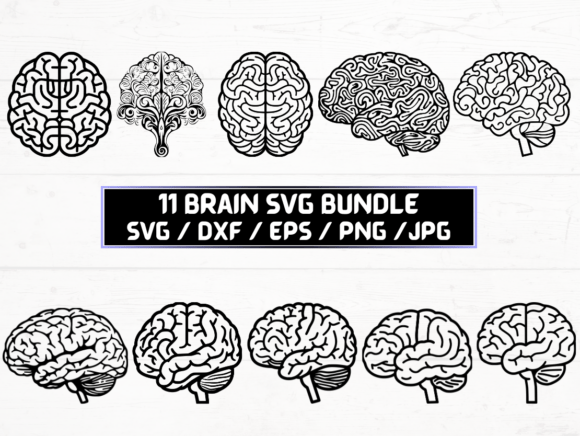
As a brand designer who spends most of my day balancing visual hierarchy with audience psychology, I don’t just look at an asset; I look at its potential to communicate. When I first encountered the Brain SVG, my immediate reaction was less about the anatomical accuracy and more about the versatility it offers in modern content marketing. In a digital landscape saturated with noise, a single, well-executed graphic can stop the scroll. This review explores how this specific design bundle fits into real-world branding workflows, from social media campaigns to physical product packaging.
First Impressions: Mood and Visual Tone
The initial feel of this graphic design asset is clean, approachable, and highly adaptable. Unlike overly complex medical illustrations that can feel cold or clinical, this brain illustration strikes a balance between intellectual curiosity and creative energy. It creates a mood that is both smart and accessible. For brands in the education, wellness, productivity, or mental health niches, this tone is invaluable. It suggests clarity of thought without being intimidating.
Visually, the lines are crisp, which is essential for maintaining a professional appearance across different mediums. Whether you are designing a premium newsletter header or a casual Instagram story, the asset holds up well. It doesn’t scream for attention with loud colors but rather invites the viewer to engage through its thoughtful composition. This makes it suitable for everything from handmade product tags to high-end editorial graphics. The emotional tone is one of empowerment—suggesting that the user has the tools to think better, learn faster, or create more effectively.
Real-World Application in Marketing Campaigns
To truly understand the value of any design bundle, we must place it in a realistic scenario. Imagine you are launching a new line of productivity planners for small business owners. Your goal is to promote a seasonal offer on your website and social channels. You need visuals that convey organization, strategy, and mental clarity.
This is where the Brain SVG becomes a powerhouse. Instead of using generic stock photos of people working, you use this illustration as a central element in your campaign headers. It serves as a visual metaphor for "thinking outside the box" or "sharpening your mind." By integrating this asset into your marketing visuals, you create a stronger first impression. The audience immediately associates your brand with intelligence and strategic planning.
Furthermore, the inclusion of multiple file formats means you aren't limited to one platform. You can use the vector files for large-scale print materials like event flyers or posters, while the raster versions are perfect for web optimization. This flexibility ensures that your brand identity remains consistent whether a customer sees your ad on Facebook or holds a printed brochure in their hand. Consistency builds trust, and trust drives conversions.
Supporting Core Marketing Goals
A strong visual asset does more than just decorate; it supports specific marketing objectives. Here is how this brain illustration contributes to key goals:
- Stronger First Impression: A unique, custom-looking graphic stands out against generic templates. It signals that your brand cares about detail.
- Clearer Visual Hierarchy: The simple structure of the brain allows text to sit naturally around or inside it, guiding the eye to your call-to-action.
- Better Product Presentation: On packaging or digital product covers, it elevates the perceived value of the item, making it look like a premium solution.
- Improved Audience Trust: Professional-grade visuals reduce cognitive load, making your message easier to process and thus more trustworthy.
- Emotional Connection: By associating your brand with concepts like creativity and problem-solving, you connect with users on an aspirational level.
Whether you are creating lead magnets, media kits, or social media graphics, this asset helps maintain a cohesive narrative. It acts as a recurring motif that reinforces your brand’s focus on intellect and innovation.
Ideal Use Cases for Creative Entrepreneurs
This asset shines brightest when used as a focal point or a supporting decorative element. Here are some specific applications where it adds significant value:
- Social Media Covers and Headers: Use the wide aspect ratio potential to anchor your LinkedIn or Facebook cover images with a bold, monochrome version of the brain.
- Packaging Accents: For digital sellers, adding this to the corner of a PDF guide or eBook cover adds a touch of sophistication.
- Merchandise and Stickers: The clean lines translate beautifully to vinyl cutters for sticker shops or t-shirt designs for coaches and educators.
- Editorial Layouts: In blog posts or newsletters, use it as a bullet point icon or section divider to break up text-heavy content.
- Printable Promotions: Create visually appealing coupons or discount codes by framing the text within the outline of the brain.
It also works exceptionally well in Canva templates. Since many marketers rely on drag-and-drop tools, having a pre-sized, transparent PNG or easy-to-edit SVG saves time and ensures your content marketing efforts remain efficient.
Strategic Limitations and Best Practices
No asset is universal, and knowing where not to use it is just as important as knowing where to use it. While versatile, the Brain SVG may not be the best choice for formal corporate branding in highly regulated industries like finance or healthcare, where imagery needs to be strictly literal. Additionally, avoid using it in dense information layouts where it might compete with critical data points.
Be cautious with small mobile graphics. If the resolution is too low or the lines too thin, the image may blur on smaller screens. Always test your designs on actual devices before publishing. Furthermore, if your brand aesthetic is extremely minimal or abstract, a detailed illustration might feel out of place. In such cases, consider simplifying the asset or using it sparingly.
Practical Brand Designer Notes
Before integrating this asset into your final campaigns, follow these practical steps to ensure maximum impact:
- Color Palette Testing: Don’t just use black. Try placing the brain in your brand’s primary color to see how it influences mood. Does it feel energetic? Calm? Authoritative?
- Black and White Check: Ensure the design holds up in grayscale. This is crucial for print costs and accessibility.
- Font Pairing: Test the illustration with various typefaces. A sans-serif font might give it a modern, tech-forward feel, while a serif font could lend it an academic, editorial tone. Avoid script fonts unless you are aiming for a very specific, playful contrast.
- Mockup Integration: Place the design inside real campaign mockups. See how it interacts with shadows, textures, and other graphical elements.
- Licensing Verification: Always confirm the commercial license terms. Even though this is a commercial design asset, understanding the boundaries protects your business from legal issues.
In conclusion, the Brain SVG is more than just a clipart image; it is a strategic tool for visual storytelling. Its ability to adapt to various contexts—from crafts to professional branding—makes it a valuable addition to any designer’s toolkit. By using it thoughtfully, you can enhance your audience trust and create memorable campaign visuals that resonate long after the initial click.