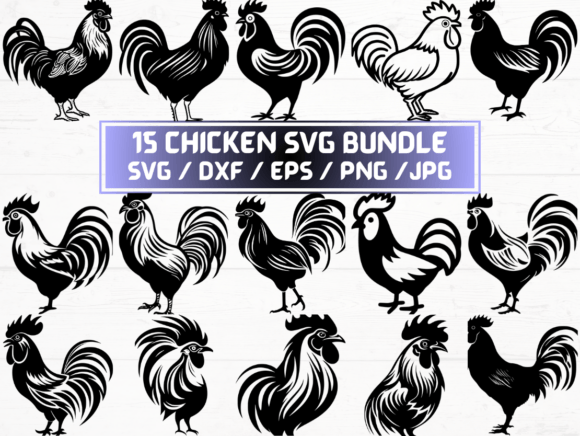
Chicken SVG, DXF, EPS, JPG, PNG Graphics for Crafts
In the world of digital publishing, visual hierarchy is not just an aesthetic choice; it is a functional necessity. As a blog designer and digital publisher, I spend hours analyzing how readers interact with content. We know that a clean, professional layout builds trust, while cluttered or low-quality visuals can cause bounce rates to spike. When evaluating design assets for real-world editorial use, I look beyond simple decoration. I ask: Does this asset support the brand identity? Does it load quickly? Is it versatile enough for multiple formats?
This review focuses on a specific graphic design asset titled Chicken SVG, DXF, EPS, JPG, PNG. While often categorized under Crafts, its utility extends far beyond physical cutting machines. For content creators, affiliate marketers, and small business owners, this multi-format package offers significant potential for enhancing website headers, social media graphics, and digital product designs.
First Impressions and Editorial Mood
The initial impression of this asset sets the tone for its application. The chicken illustration carries a distinct mood—typically leaning towards playful, lifestyle-focused, and approachable. In editorial design, this translates to a sense of warmth and accessibility. It works exceptionally well for niches such as homesteading, sustainable living, farm-to-table cooking, or even lighthearted parenting blogs.
However, designers must be mindful of the context. If you are running a serious corporate finance blog, this asset may feel too casual. But for creative entrepreneurs, online educators, or newsletter creators focusing on community building, the visual language is perfect. It suggests a modern design sensibility that is clean yet decorative. When placed correctly, it enhances the reader’s perception of the content as friendly and trustworthy.
File Format Versatility for Digital Publishers
One of the strongest selling points for web designers is the diversity of file formats included. A robust graphic design asset should adapt to various platforms without losing quality. This package provides:
- SVG Files: Essential for responsive web design. These vector files scale infinitely, ensuring your website header or blog post icons remain crisp on high-resolution mobile screens and desktop monitors alike.
- PNG Files (300 dpi): With a transparent background, these are ideal for overlaying text on images, creating Pinterest pins, or designing lead magnets where the background needs to blend seamlessly with your brand colors.
- EPS and DXF Files: While primarily used for print-on-demand products or vinyl cutting, these allow digital publishers to create physical merchandise (like tote bags or mugs) to sell alongside their digital guides, expanding revenue streams.
- JPG Files: Useful for quick previews or static social media posts where transparency is not required.
This variety supports a comprehensive content marketing strategy. You can use the SVG for your site’s logo or category icons, the PNG for email newsletter banners, and the high-res JPG for Facebook ads. It eliminates the need to source multiple assets from different creative marketplaces, streamlining your workflow.
Integrating into Real Publishing Workflows
How does this asset fit into a typical week of content creation? Here are several practical applications for bloggers and digital publishers:
Blog Featured Images and Thumbnails
Featured images are the first point of contact for many readers. Using a custom chicken graphic as a subtle accent in the corner of a featured image can break up large blocks of white space. It adds a layer of brand identity that makes your content instantly recognizable in search results or social feeds.
Pinterest Pins and Social Media Graphics
Pinterest is a visual search engine. To achieve higher click-through potential, your pins need strong visual hierarchy. The transparent PNG version allows you to place the chicken graphic over vibrant background colors or patterned textures. This creates a cohesive look across all your social media graphics, reinforcing your niche authority.
Digital Guides and Lead Magnets
If you are creating downloadable resources, such as a "Beginner’s Guide to Backyard Chickens" or a farm-fresh recipe eBook, this asset serves as an excellent cover element. It elevates the perceived value of your digital product. When users download a resource that looks professionally designed, they are more likely to trust the information inside and subscribe to your newsletter.
Newsletter Headers
Email open rates depend heavily on subject lines, but engagement depends on the body content. A consistent visual theme in your weekly newsletter helps build habit. Using the SVG version ensures that your header scales perfectly regardless of the device your subscribers use to read your emails.
Performance and Brand Consistency
From a technical standpoint, using vector-based SVGs improves page speed. Large raster images can slow down your website, negatively impacting SEO. By utilizing the lightweight SVG format for decorative elements, you maintain a fast-loading site while keeping the visual appeal high. This balance is crucial for retaining readers who expect instant access to content.
Furthermore, consistency breeds trust. When your website branding uses the same graphic style across your blog, Pinterest, and email campaigns, it creates a unified visual identity. Readers subconsciously associate this consistency with professionalism. Even if the asset is playful, the execution can be sophisticated through careful placement and color pairing.
Where to Use Carefully
No single asset fits every scenario. There are specific contexts where this chicken graphic should be used with caution:
- Small Mobile Thumbnails: On very small screens, intricate details might get lost. Test the asset at 50x50 pixels to ensure it remains legible.
- Text-Heavy Blog Images: Avoid placing the graphic directly behind important text. Let it serve as an accent, not a backdrop for critical information.
- Serious Professional Niches: As mentioned, this asset has a whimsical nature. It may not suit legal advice, medical journals, or strict B2B corporate communications.
- Low-Contrast Backgrounds: Ensure the graphic stands out against your background. If both are light pastels, the design will fade into the noise.
Practical Publisher Notes for Implementation
To get the most out of this design asset, follow these testing protocols before deploying it live:
- Screen Testing: View the asset on both desktop and mobile devices. Check how it behaves when the screen size changes.
- Font Pairing: Experiment with typography. Place the graphic next to serif fonts for a classic editorial look, sans-serif fonts for a modern clean aesthetic, or script fonts for a handmade vibe. See which combination reinforces your message best.
- Contrast and Readability: Use tools to check contrast ratios. Ensure the graphic does not compete with your headline text.
- File Size Optimization: Even SVGs can be heavy if they contain unnecessary code. Compress your files properly to ensure optimal web performance.
- Licensing Review: Always confirm your commercial license before using the asset on monetized websites, affiliate pages, or paid content products. Understanding the terms protects your business and ensures ethical use of creative design.
In conclusion, the Chicken SVG, DXF, EPS, JPG, PNG package is more than just a craft file. It is a versatile tool for any digital publisher looking to add personality and polish to their online presence. By integrating it thoughtfully into your editorial strategy, you can enhance user experience, strengthen your brand identity, and ultimately drive more engagement with your content.