Crab SVG Embroidery Review
When I pull a new design file from my inbox, I don’t just look at the preview image. I immediately start thinking about stitch density, fabric behavior, and how the final product will feel in a customer’s hands. That is exactly how I approached Crab SVG. As a designer who frequently creates assets for small businesses and personal gifts, I need to know if a design holds up under the needle and on the shelf. After spending some time analyzing the structure of this file set, here is my honest take on its potential for real-world embroidery projects.
First Impressions and Visual Personality
The moment you open the folder, the mood of Crab SVG is clear. It isn’t trying to be overly intricate or abstract; it leans into a playful, coastal aesthetic that feels instantly recognizable. For an embroidery project, clarity is king. If a design relies too heavily on tiny, ambiguous details, it often turns into a muddy mess after stitching. This design avoids that trap. The shape is bold enough to read clearly even when rendered in thread, which is crucial for items like tote bags or sweatshirts where the viewer might be standing a few feet away.
The visual personality suggests a relaxed, summer vibe. It works exceptionally well for brands that want to evoke feelings of leisure, ocean life, or beachside living. Whether you are designing for a boutique clothing line or creating personalized holiday gifts, the theme is versatile enough to fit into various seasonal contexts without feeling out of place. It has a natural charm that appeals to a broad audience, from kids to adults who appreciate nautical themes.
Real-World Application: Where Does It Shine?
I always test designs by imagining them on specific products. Here is where Crab SVG really excels:
- Custom Apparel and Sweatshirt Embroidery: Placing this on the chest of a crewneck sweatshirt or the pocket of a hoodie creates an instant statement piece. The bold outline likely translates well to satin stitch borders, giving it a polished, professional finish that elevates the garment from basic to boutique.
- Tote Bag Design: Canvas totes are a staple for craft fairs and Etsy sellers. A crab motif on a sturdy canvas bag feels thematic and durable. Because the design appears to have strong lines, it will stand up well against the texture of heavy cotton or jute fabrics.
- Baby Embroidery and Nursery Decor: Soft pastels paired with this cute motif can make for adorable onesies or burp cloths. The simplicity of the shape makes it less intimidating for beginners while still looking high-quality. It also fits perfectly into a coastal-themed nursery pillow cover or wall hanging.
- Kitchen and Home Goods: Tea towels, aprons, and kitchen linens are perfect canvases for this kind of graphic. The playful nature of the crab adds a touch of whimsy to functional items, making them great as wedding gifts or housewarming presents.
- Embroidered Patches: If you plan to sell patches, the clean edges of this design suggest it would cut and iron-on (or sew) neatly. It has the visual weight needed to be seen on denim jackets or backpacks.
Technical Considerations and Fabric Choices
While the design looks great on screen, execution is everything. When working with any digital embroidery file, you must consider the fabric texture and stability. Crab SVG seems to rely on clear outlines and filled areas. To ensure the best result:
- Check Stitch Density: Before committing to a production run, verify the stitch count. High-density fills can cause puckering on lightweight fabrics. If the fill areas are too dense, consider using a lighter thread weight or adjusting the density settings in your embroidery software.
- Stabilizer Selection: For stretchy fabrics like t-shirt jersey or hat materials, a cut-away stabilizer is non-negotiable to prevent distortion. For woven fabrics like tote bags or aprons, a tear-away may suffice, but a wash-away backing can help maintain crisp edges.
- Hoop Size Constraints: Ensure the design fits comfortably within your standard hoop sizes. If the crab design is quite large, you may need to split it across multiple hooping sessions or use a larger frame, which requires more skill to align perfectly.
Pitfalls to Avoid
No design is perfect for every situation. There are certain scenarios where Crab SVG might struggle:
- Small Hoop Sizes: If you try to shrink this design down too much, you risk losing detail. Tiny lettering or fine internal lines may become indistinguishable. Keep the minimum size reasonable to preserve the character of the crab.
- Textured Fabrics: While it works well on canvas, highly textured fabrics like bouclé or thick chenille might obscure the finer details of the embroidery. Stick to smoother surfaces for the clearest impact.
- Dense Stitch Areas: If the original file includes heavy fill stitches for the body of the crab, be cautious on dark fabrics where thread tension issues might show through. Always test color contrast thoroughly.
Designer Notes for Commercial Use
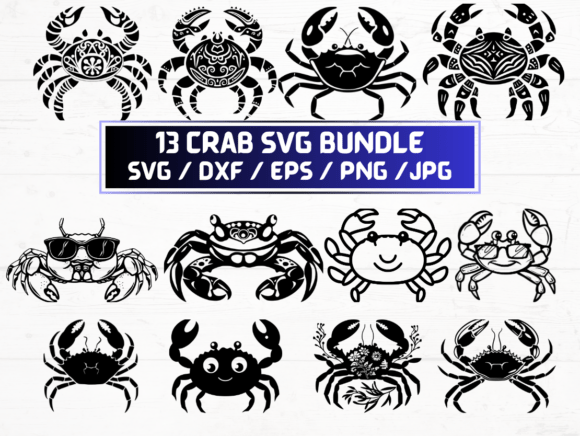
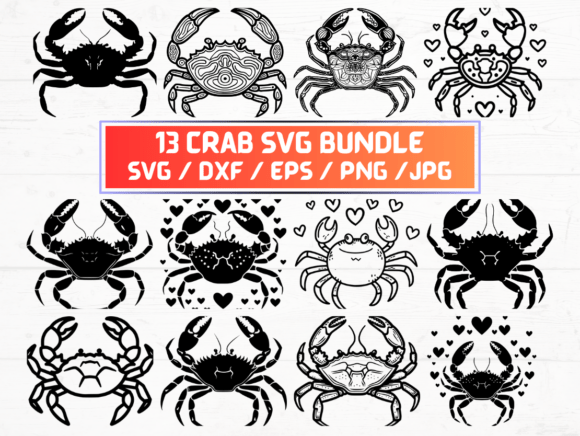
For those of you running a craft business or selling on Etsy, licensing is paramount. The product description mentions a ZIP folder containing 13 SVG, PNG, DXF, JPG, and EPS files. This variety is excellent for creating printable mockups and design assets for marketing. However, please verify the specific license terms before selling finished physical goods. Some creators allow commercial use of the final product but restrict the resale of the digital files themselves.
To maximize the value of this embroidery project, I recommend creating a cohesive collection. Pair Crab SVG with complementary elements like waves, anchors, or shells to create themed sets. This increases the perceived value for customers and encourages bulk purchases.
Final Verdict
Crab SVG is a solid, practical addition to any designer’s library. It strikes a balance between cute and professional, making it suitable for everything from personalized gifts to serious commercial embroidery ventures. Its versatility across apparel, home decor, and accessories ensures it won’t gather dust in your folder. Just remember to test it on scrap fabric first, pay attention to your thread colors, and choose the right stabilizer for your fabric type. When executed correctly, this design can help you create beautiful, marketable handmade products that customers love.