Reviewing the Tattoo Design SVG for Real Embroidery Projects
When I approach a new digital asset, my first instinct is always practical: how does this translate from a screen to thread? As an experienced designer and reviewer, I spend hours evaluating files not just for their visual appeal, but for their structural integrity in real-world production. Today, I am putting Tattoo Design SVG. DXF. EPS. JPG. PNG through its paces. This product falls squarely into the Crafts and Graphics categories, promising instant access to a versatile suite of formats. But does it hold up when you are stitching on a custom hoodie or preparing a boutique order? Let’s dive into the details.
The First Impression: Mood and Visual Personality
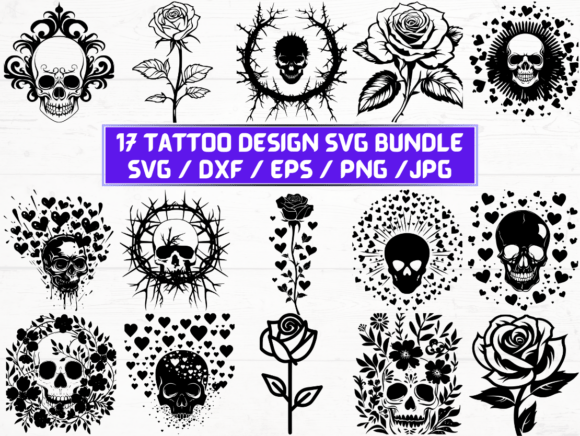
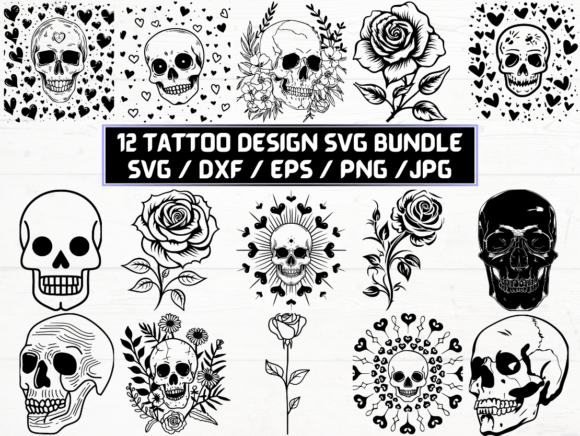
The moment you unzip the folder provided with Tattoo Design SVG. DXF. EPS. JPG. PNG, the aesthetic speaks for itself. The design captures that classic, edgy vibe associated with traditional tattoo art. It carries a sense of rebellion mixed with timeless symbolism, making it incredibly appealing for specific demographics. For the embroidery designer, this means you are working with a theme that already has built-in emotional resonance. Customers do not just buy a shirt; they buy into an identity.
Visually, the layout feels balanced. It avoids the cluttered look that often plagues low-quality vector downloads. The lines are clean, suggesting that the underlying vectors are well-constructed. However, "clean" on a screen is different than "clean" under a needle. The initial mood is bold and graphic, which suggests it will perform best as a statement piece rather than a subtle accent. It demands attention, which is perfect for chest placements on sweatshirts or central motifs on tote bags.
Real-Life Application: From Screen to Stitch
I recently considered using Tattoo Design SVG. DXF. EPS. JPG. PNG for a client project involving personalized leather patches for a biker club. This scenario highlights exactly where this design shines. The high-contrast nature of tattoo art translates exceptionally well to applique or heavy satin stitch work. Imagine a durable embroidered patch attached to a denim jacket—the sharp lines of the design would pop against the rugged texture of the fabric.
But let’s expand beyond patches. This design is equally suited for custom apparel. Picture a crewneck sweatshirt featuring the design centered on the back, perhaps executed in a mix of fill stitches for the solid areas and running stitches for fine details. Or consider a tote bag design for a hipster market stall; the graphic nature of the tattoo motif pairs perfectly with canvas textures. For Etsy sellers and small shop owners, this versatility is gold. You can create a cohesive collection ranging from holiday embroidery gifts to everyday handmade products.
The inclusion of 300 dpi PNGs with transparent backgrounds in the download package is particularly useful for creating printable mockups. Before committing to expensive thread and fabric, you can place these images onto digital templates of hats, aprons, or pillow covers. This allows you to visualize how the Tattoo Design SVG. DXF. EPS. JPG. PNG interacts with different garment shapes and colors, saving you time and reducing waste during the prototyping phase.
Technical Performance and Stitch Clarity
One of the biggest risks with tattoo-style designs is losing detail during digitization. If the original file lacks proper node structure, your machine might struggle with tiny curves or intersecting lines. Fortunately, the presence of both SVG and DXF files in the Tattoo Design SVG. DXF. EPS. JPG. PNG bundle gives you flexibility. You can import the SVG directly into your embroidery software to see how it auto-digitizes, or use the DXF for precise cutting if you are incorporating applique design elements.
When evaluating stitch density, keep in mind that tattoo art often relies on bold outlines. In an embroidery file, these outlines become satin stitches. If the design is too dense, it may become stiff and uncomfortable, especially on baby embroidery projects or delicate fabrics. However, for tougher materials like cotton twill, polyester blends, or denim, the design should maintain its shape beautifully. The key is ensuring that the stitch density matches the fabric weight. A light tea towel might pucker under heavy fills, whereas a thick sweatshirt embroidery job will likely look professional and crisp.
Where to Exercise Caution
No design is universally perfect, and Tattoo Design SVG. DXF. EPS. JPG. PNG has specific contexts where it requires careful handling. First, avoid placing this design on highly textured or stretchy fabrics without proper stabilization. The tension variations in knit fabrics can distort the sharp lines typical of tattoo graphics.
Second, be mindful of small hoop sizes. While the design is scalable, extremely small reproductions may lose definition. Tiny lettering or intricate corner details might merge together, turning into a muddy blob rather than a clear image. If you are aiming for a miniature accessory, such as a small embroidered patch for a backpack strap, test the scaling carefully. Additionally, dark fabrics can sometimes swallow up lighter thread colors. Always compare your chosen thread colors against the actual fabric swatch to ensure sufficient contrast.
Curved surfaces, like the front panel of a baseball cap, also present challenges. Flat vector designs need to be adapted to follow the curve of the hat, or they may look distorted. This is where the EPS and DXF files come in handy for manual adjustments within your digitizing software.
Practical Designer Notes for Success
To get the most out of this asset, I recommend following a strict testing protocol. Never assume a file is ready for production straight out of the zip folder. Start by testing the design on scrap fabric that mimics the final product. Check the stabilizer choice; a cut-away stabilizer is usually best for maintaining the integrity of detailed designs over time.
Inspect the small details closely. Are there any overlapping paths that could cause threading issues? Run the design in black and white mode on your computer monitor to check the balance of negative space. This helps you identify areas that might look too empty or too crowded once stitched. Furthermore, verify the licensing terms before selling finished items. Even though this is a digital embroidery file intended for commercial use, confirming the scope of the license protects your craft business from potential legal issues.
Final Verdict
Tattoo Design SVG. DXF. EPS. JPG. PNG is a robust, visually striking asset that offers excellent value for designers looking to tap into the popular tattoo aesthetic. Its multi-format support makes it adaptable for various applications, from commercial embroidery projects to personal gifts. By understanding its strengths—bold graphics, clear lines—and respecting its limitations regarding fabric texture and scale, you can create stunning finished products that resonate with customers.
Whether you are updating your Etsy listings, preparing for a craft fair, or simply expanding your skills as a maker, this design provides a solid foundation for creative expression. Just remember: the quality of the final result depends as much on your setup and technique as it does on the file itself. Test thoroughly, choose your threads wisely, and trust your eye. When done right, this design can elevate a simple piece of fabric into a memorable personalized gift or a standout small shop product.