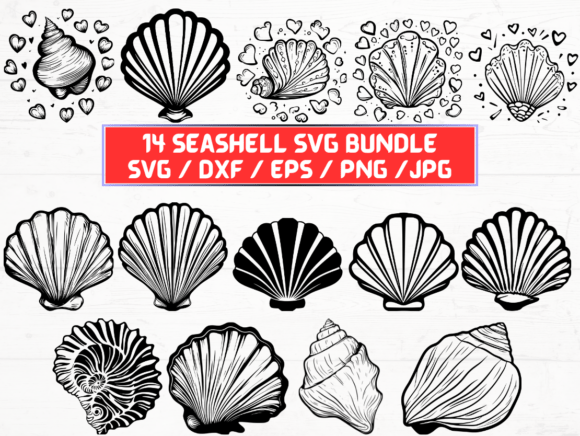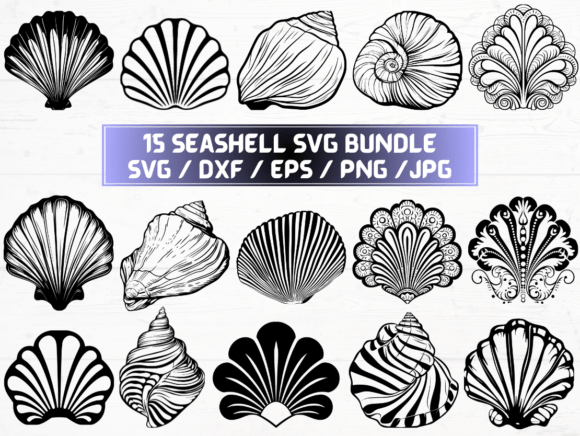
Seashell SVG, DXF, EPS, JPG, PNG Graphics and Crafts
In the world of digital publishing, the difference between a content site that feels amateurish and one that commands authority often comes down to visual polish. As a blog designer who has spent years refining editorial layouts for high-traffic websites, I know that readers form an opinion about credibility within seconds. That is why selecting the right graphic design asset is not just an aesthetic choice; it is a strategic component of content marketing. Recently, I evaluated a versatile set of files labeled Seashell SVG, DXF, EPS, JPG, PNG to see if it could hold its own in a professional publishing workflow. Here is my honest review from the perspective of a digital publisher focused on conversion, branding, and user experience.
The First Impression: Editorial Mood and Niche Fit
When you first open a bundle like this, the immediate question is always: does this feel cohesive? The Seashell SVG, DXF, EPS, JPG, PNG collection exudes a clean, modern, and slightly playful mood. It naturally leans into lifestyle-focused niches, particularly those surrounding summer travel, wellness, beachside living, or feminine small business branding. For a blogger creating content around these topics, the asset provides an instant visual shorthand that resonates with the target audience without needing excessive text overlay.
The design style is decorative yet minimal enough to serve as a background element rather than a distraction. This balance is crucial for editorial design, where the goal is to support the written word, not compete with it. Whether you are running an affiliate blog promoting resort wear or an online educator teaching creative entrepreneurship, this graphic adds a touch of artistic flair that suggests a curated, thoughtful brand identity. It avoids looking cheap or clip-art-like, which is essential for maintaining reader trust on monetized websites.
Real-World Publishing Workflow: From Concept to Click
Let’s look at how this asset fits into a real publishing scenario. Imagine you are preparing a series of articles about "Summer Home Decor" or "Beach Wedding Planning." You need visuals that are consistent across your website, social media, and email newsletters. A scattered approach kills brand recognition. By using a unified design asset like this seashell set, you create a strong visual identity that users can instantly associate with your content.
Here is how I would deploy these files in a typical week:
- Blog Featured Images: Use the vector versions to create custom headers that include your headline text. The scalability ensures crisp edges regardless of screen size.
- Pinterest Pins: Create vertical graphics that stop the scroll. The transparent backgrounds allow you to layer the seashells over pastel gradients or textured papers, creating a sophisticated look that drives clicks.
- Newsletter Graphics: Break up long-form emails with subtle accents. A small seashell icon next to a "Shop Now" button can increase click-through potential by adding a visual cue without being intrusive.
- Digital Guides and Lead Magnets: If you offer a free checklist or eBook, incorporating these graphics into the cover design elevates the perceived value of the digital product.
The versatility of the formats included means you can adapt quickly. Need a quick mockup? Use the JPGs. Building a complex layout in Illustrator? Switch to the EPS or SVG. This flexibility supports a faster web design process, allowing you to iterate on designs without getting bogged down in file compatibility issues.
Supporting Content Performance Through Visual Hierarchy
Good visual hierarchy guides the reader’s eye to the most important information. When used correctly, this seashell collection enhances readability and engagement. For instance, placing a delicate shell graphic in the corner of a testimonial box can soften the layout and make the content feel more personal and trustworthy. In contrast, using a bolder version as a call-to-action background can draw attention to key offers.
Consistency is key for brand identity. By reusing these elements across different pages—such as category thumbnails, sidebar widgets, and footer accents—you reinforce your brand’s visual language. Readers subconsciously recognize the pattern, which increases familiarity and encourages them to spend more time on your site. This is particularly effective for affiliate marketing sites, where building trust is paramount before a user makes a purchase decision.
Technical Details and File Utility
The technical specifications of this download are robust for a digital creator. The inclusion of multiple formats ensures compatibility with various tools, from Canva templates to professional Adobe suites. Specifically, the 300 dpi PNGs with transparent backgrounds are excellent for high-resolution printing or sharp web display, while the SVG and DXF files offer precision for cutting machines or scalable vector graphics. The EPS files provide another layer of compatibility for print-on-demand services or detailed editorial layouts. Having 15 variations of each file type gives you ample options to mix and match, preventing visual repetition in your content calendar.
Where to Use Carefully: Limitations and Best Practices
No single asset works everywhere. While the seashell theme is charming, it may not suit every niche. Avoid using this in serious professional contexts such as corporate finance, legal advice, or medical health, where a minimalist and neutral palette is preferred. Additionally, be mindful of mobile screens. On small devices, intricate details might get lost. Always test your designs on actual mobile devices to ensure the graphics do not clutter the interface or overwhelm the text.
Furthermore, consider contrast and readability. Dark seashell graphics on dark backgrounds can disappear, reducing accessibility. Always preview your designs in black and white to check for sufficient contrast. Also, avoid placing busy text directly over complex parts of the illustration. Let the graphic breathe, and use it as an accent rather than the primary container for critical information.
Practical Publisher Notes for Implementation
To get the most out of this creative design resource, follow these practical steps:
- Test Across Devices: View your final graphics on desktop, tablet, and mobile to ensure they scale properly.
- Check Thumbnail Appearance: Shrink your images to the size they will appear in search results or RSS feeds. Do they still look clear and appealing?
- Font Pairing: Experiment with different typography. These graphics pair well with serif fonts for a classic editorial look, sans-serif fonts for modern clarity, and script fonts for a personalized touch.
- Optimize File Size: Before uploading to your website, compress your images to improve page load speed. Slow sites hurt SEO and user retention.
- Verify Licensing: Confirm the commercial license terms before using these assets on monetized blogs, paid courses, or products sold on marketplaces. Ensuring you have the right rights protects your business from legal issues.
Final Verdict for Digital Creators
For bloggers, designers, and entrepreneurs looking to elevate their online presence, Seashell SVG, DXF, EPS, JPG, PNG offers a solid foundation for beautiful, cohesive content. It bridges the gap between casual crafting and professional editorial design, making it suitable for a wide range of publishing needs. By integrating these graphics thoughtfully into your website header, social media posts, and downloadable resources, you can significantly enhance your brand’s visual appeal and drive better engagement. In a crowded digital landscape, investing in quality design assets is one of the smartest moves you can make for your content strategy.