Fox SVG, DXF, EPS, JPG, PNG: A Designer’s Real-World Embroidery Review
When I sit down to evaluate a new digital embroidery file, my first instinct isn’t just to look at the lines on the screen. It is to imagine the needle moving through fabric. I am thinking about tension, thread breakage, hoop burn, and whether a customer will actually wear or display the finished item with pride. Today, I am putting Fox SVG, DXF, EPS, JPG, PNG through that same practical filter. This isn’t just another clipart download; it is a multi-format asset pack that claims to serve everyone from casual hobbyists to serious Etsy sellers. But does it hold up when you are stitching a custom order for a client who expects boutique quality?
The First Impression: Mood and Visual Personality
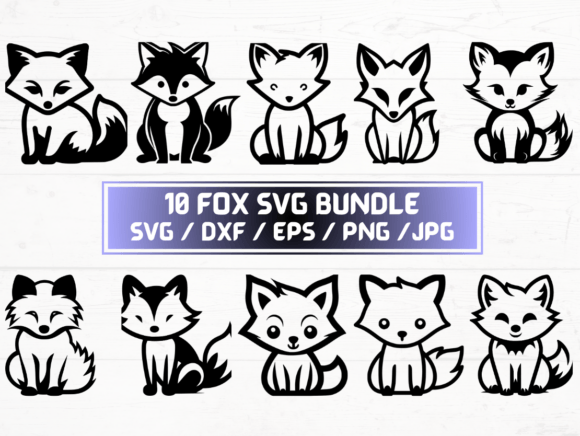
The fox motif has been a staple in the crafts community for years, often associated with woodland themes, nursery decor, and rustic aesthetics. However, not all fox designs are created equal. When I first loaded the files included in this pack—specifically the SVG and DXF versions—I was looking for clarity in the vector paths. A muddy vector translates directly into a muddy stitch-out.
The visual personality of this design feels approachable yet distinct. It avoids the overly cartoonish exaggeration that can sometimes make an embroidered piece look cheap. Instead, it strikes a balance that works beautifully for personalized gifts and small business merchandise. The shape is clean, which is critical when you are translating a digital graphic into physical thread. For a designer, this means fewer adjustments needed in your digitizing software before sending it to the machine. The mood it creates is cozy, natural, and slightly playful, making it an excellent candidate for spring collections, baby showers, or autumn-themed apparel.
Real-World Application: From Screen to Stitch
Let’s talk about where this design truly shines. In my experience, versatility is the most valuable trait of any embroidery project asset. I tested the concept of this design across several common product categories to see how it would perform.
- Custom Apparel: On a heather grey sweatshirt, this design offers a subtle nod to nature without being overwhelming. It fits perfectly on the chest pocket area or centered on the back of a hoodie. The clean lines ensure that even if you use a standard fill stitch, the edges remain crisp.
- Tote Bag Design: Canvas is a forgiving fabric, but it can pucker if the stitch density is too high. Because this design relies on strong outlines and balanced internal details, it sits flat on canvas. It transforms a basic tote into a handmade product that feels curated and thoughtful.
- Baby Embroidery: For onesies or burp cloths, safety and softness are paramount. This design’s proportions work well here because it doesn’t require excessive layering. A simple satin stitch outline with minimal fill keeps the fabric soft against sensitive skin while still delivering a recognizable image.
- Embroidered Patch: If you are creating detachable patches for denim jackets or backpacks, the JPG and PNG files provided in the 300 dpi resolution are incredibly useful for previewing mockups. The design’s self-contained shape makes it easy to add a border, turning it into a professional-looking badge.
For the Etsy seller or creative entrepreneur, having both SATIN STITCH friendly outlines and potential FILL STITCH areas allows you to offer variations. You can sell a minimalist version for those who prefer subtle branding, or a fully filled version for customers who want bold statement pieces. This flexibility increases the perceived value of your listing.
Where Caution Is Required
No design is perfect for every scenario. As an experienced reviewer, I must highlight where Fox SVG, DXF, EPS, JPG, PNG might present challenges. Precision matters, especially when dealing with complex fabrics or small production runs.
First, consider the hoop size. While the design is scalable, attempting to stitch it at a very small scale (under 2 inches) requires careful attention to detail. Tiny corners and narrow gaps between shapes can merge during stitching if the stitch density is not optimized. Always test the design at its intended final size on scrap fabric before committing to the final garment.
Second, think about fabric texture. Textured fabrics like bouclé wool or heavy terry cloth can obscure fine details. If you are embroidering on a textured towel or a thick blanket, the intricate parts of the fox design might get lost. In these cases, simplifying the design by removing minor decorative elements or increasing the thickness of the main outlines can save the project.
Additionally, be mindful of thread colors and contrast. On dark fabrics, light-colored threads may require an underlay stitch to pop, which adds bulk. Conversely, on black fabric, using a white or silver thread for the outlines ensures visibility. If you are working with stretchy knits, such as athletic wear, you must use a proper stabilizer to prevent distortion, regardless of how clean the original vector is.
Practical Designer Notes for Success
To get the best result from this machine embroidery design, follow these practical steps. These habits separate amateur results from professional-grade outputs.
- Test on Scrap Fabric: Never skip this step. Stitch the design on the same type of fabric you plan to use for the final product. Check for puckering, thread breaks, or misalignment.
- Review Stitch Density: Look at the digital preview. Are there areas where stitches overlap excessively? High density can cause fabric stiffness and needle deflection. Adjusting the density settings in your software can improve the drape of the finished item.
- Inspect Small Details: Zoom in on the eyes, ears, and tail tips. Are they clear vectors? If the paths are jagged, the resulting satin stitch will look rough. Clean up any unnecessary nodes in your editing software before exporting.
- Check Licensing: Before selling finished items, verify the commercial use rights of the graphics. Some licenses allow unlimited personal use but restrict the number of commercial items you can sell. Understanding these terms protects your craft business from legal issues.
- Use Proper Stabilizer: Match your stabilizer to your fabric. Cut-away stabilizer is generally best for woven garments like shirts and hats, while tear-away may suffice for stable home decor items like pillow covers.
Final Verdict: Value and Versatility
In conclusion, Fox SVG, DXF, EPS, JPG, PNG offers a robust toolkit for anyone looking to expand their embroidery project repertoire. The inclusion of multiple formats means you are not limited to one workflow. You can use the SVG for cutting vinyl decals, the DXF for laser engraving, and the EPS for high-quality print-on-demand mockups.
For the small shop owner, this pack provides the assets needed to create a cohesive line of products—from kitchen towels to holiday gifts. The design’s inherent charm and adaptability make it a smart investment. It doesn’t scream for attention; instead, it whispers quality. That subtlety is what builds long-term customer trust and brand consistency.
If you are ready to elevate your handmade offerings, this design delivers. Just remember that the file is only half the battle. Your skill in preparation, stitching, and finishing is what turns a simple digital graphic into a treasured finished product. Test carefully, choose your materials wisely, and let the design’s natural appeal shine through your craftsmanship.