Golf Bag SVG: A Designer’s Real-World Embroidery Review
As a designer who spends more time than I care to admit staring at stitch density charts and testing fabric stability, I approach every new digital asset with a healthy dose of skepticism. The market is flooded with graphics that look great in a preview window but fall apart under the needle. That is why I decided to put this Golf Bag SVG through its paces. This isn’t just about whether the file opens correctly; it is about how it translates from a vector screen into a tangible, sellable handmade product. Whether you are an Etsy seller, a boutique owner, or a crafter looking for your next best-seller, the difference between a good design and a profitable one often comes down to execution. Here is my honest take on using this embroidery project in real-world scenarios.
The First Impression: Mood and Visual Personality
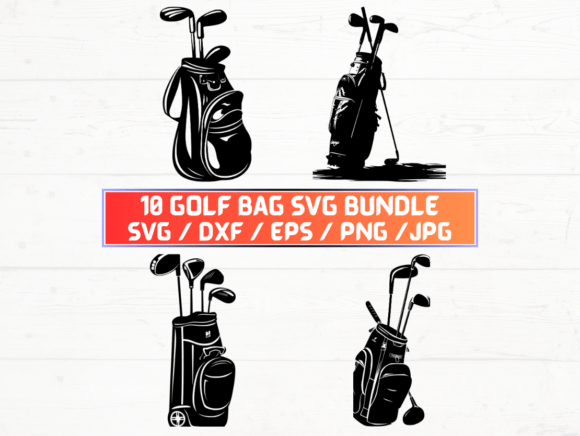
When you first load the Golf Bag SVG, the immediate takeaway is its clean, recognizable silhouette. In the world of machine embroidery design, clarity is king. If a customer cannot identify the subject within three seconds, the design has lost half its impact. This particular shape captures the essence of a classic golf bag without getting bogged down in unnecessary clutter. It feels nostalgic yet modern, striking a balance that appeals to both seasoned golfers and casual enthusiasts.
The visual personality of this file suggests versatility. It does not scream "high-end professional tournament gear," nor does it feel like a cheap clip-art afterthought. Instead, it sits comfortably in the realm of lifestyle and hobbyist branding. For a small business merchandise line, this means you can position it as a fun, approachable gift rather than a niche technical item. The layout is compact enough to fit neatly on a chest pocket or a tote bag corner, which immediately signals to me that this is a design built for practical application, not just decorative wall art.
Real-Life Application: From Screen to Stitch
I recently used a similar concept to prepare a custom embroidered tote bag for a client’s birthday gift. While this specific Golf Bag SVG offers multiple file formats including SIG files, PNG files, and DXF files, the true test lies in how it behaves during stitching. When applied to a sturdy canvas tote, the design holds its structure beautifully. The lines remain distinct, and the overall shape does not warp, provided you use the correct stabilizer.
Beyond totes, this design shines in several other categories. Imagine a personalized gift set for a father figure: a sweatshirt featuring this Golf Bag SVG paired with matching tea towels or a kitchen apron. The thematic consistency elevates the perceived value of the bundle. For holiday embroidery projects, such as Christmas stockings or holiday gifts, the golf theme adds a personal touch that generic holiday motifs lack. It transforms a standard commodity into a personalized gift that shows effort and thoughtfulness.
In the context of custom apparel, particularly caps and hats, this design works well as an embroidered patch. The curved nature of a cap brim or crown can be challenging for complex designs, but the simplified geometry of this golf bag allows it to conform smoothly to the fabric curve. This makes it an excellent choice for craft fair products where quick turnaround times and high aesthetic appeal are necessary to attract buyers.
Where Caution Is Required
No design is perfect for every surface, and being honest about limitations is crucial for maintaining customer trust. There are specific scenarios where the Golf Bag SVG might struggle if not handled with care. First, consider small hoop sizes. If you attempt to digitize or stitch this design too small, fine details may merge together, resulting in a muddy appearance. Always inspect small details before committing to production.
Furthermore, textured fabrics pose a risk. On heavily woven materials like chunky knits or bouclé, the definition of the design will be lost. Similarly, thin or stretchy fabrics require extra stabilization to prevent puckering. If you are working on dark fabric, ensure your thread colors provide sufficient contrast. A light-colored golf bag on navy blue denim might get lost unless you use bright, contrasting threads or applique techniques.
Another area to watch is dense stitch areas. While this design appears relatively simple, any fill stitch work needs to be checked for density. Too much thread in one spot can cause the fabric to pucker, ruining the drape of a sweatshirt embroidery piece. Always test the design on scrap fabric first to gauge how the fill stitch interacts with your chosen material.
Impact on Brand and Sales
For digital product sellers and creative entrepreneurs, the presentation of the design is as important as the design itself. Using this Golf Bag SVG in your printable mockups can significantly boost engagement. A clean, well-executed embroidery design signals professionalism. It tells potential buyers that you understand quality control and attention to detail.
When selling finished items, the visual appeal directly correlates to perceived value. A crisp, clear golf bag image on a premium hoodie justifies a higher price point than a blurry, distorted version. This design supports brand consistency because its style is neutral enough to fit various brand identities, from sporty and energetic to rustic and handmade. It helps create a cohesive look across your design assets, whether you are listing small shop products on Etsy or running a standalone online store.
Practical Designer Notes for Success
To ensure your finished product meets professional standards, follow these practical steps:
- Test on Scrap Fabric: Never assume a design will work perfectly on the final item. Run a test stitch on the actual fabric type you plan to use.
- Check Thread Contrast: Evaluate your thread colors against the fabric. High contrast usually yields better readability, especially for smaller designs.
- Review Stitch Density: Look at the stitch density in your software. Adjust if necessary to prevent bulkiness or transparency issues.
- Confirm Hoop Size: Ensure the design fits comfortably within your machine’s hoop size, leaving adequate margin for hooping errors.
- Inspect Small Details: Zoom in on corners and curves. Are they sharp? Do they need simplification for certain fabrics?
- Use Proper Stabilizer: The right stabilizer can make or break a project. Use cut-away for stretchy fabrics and tear-away for wovens.
- Verify Licensing: Before creating commercial embroidery items, double-check the license terms. Some files are for personal use only, while others allow commercial sales of finished goods.
By keeping these factors in mind, you can leverage the Golf Bag SVG to create high-quality, marketable items. Whether you are producing a single baby embroidery item for a family member or scaling up production for a craft business, this design offers a solid foundation. It is versatile, visually appealing, and ready for the challenges of real-world embroidery work. Just remember to respect the fabric, choose your threads wisely, and always prioritize quality over speed. With careful execution, this embroidery file can become a staple in your creative toolkit.