Medal Laser Cut Graphics for Crafts and Editorial Use
In the world of digital publishing, the line between a casual blog post and a polished editorial feature is often defined by visual consistency. As a designer who has spent years building content ecosystems for bloggers, educators, and affiliate marketers, I have learned that readers judge credibility before they read a single word. This is where the right graphic design asset becomes more than decoration; it becomes a tool for trust.
I recently evaluated Medal Laser Cut, a versatile collection of vector and raster files, with a specific focus on its utility for real-world website presentation and content publishing. While categorized under Crafts and Graphics, its application extends far beyond hobbyist projects. It serves as a robust component for editorial design, brand identity systems, and high-converting content marketing materials.
The First Impression: Editorial Mood and Visual Hierarchy
When you first unpack Medal Laser Cut, the immediate takeaway is its clean, structured aesthetic. The laser-cut style implies precision, elegance, and a touch of modern sophistication. Unlike overly ornate or cluttered designs, this asset creates a mood that is both professional and inviting. It strikes a balance that works exceptionally well for niches such as lifestyle blogging, educational resources, small business branding, and creative entrepreneurship.
From a visual hierarchy perspective, the medal motif naturally draws the eye. It suggests achievement, quality, and recognition. When used in web design, particularly as a badge, icon, or accent element, it subconsciously signals to the reader that the content behind it is valuable. This is crucial for increasing click-through rates on Pinterest pins or encouraging downloads of a lead magnet.
Integrating Medal Laser Cut into Real Publishing Workflows
For digital publishers, versatility is key. A single asset should be able to adapt across multiple platforms without losing its integrity. Here is how Medal Laser Cut fits into a typical content creation workflow:
- Blog Featured Images and Headers: The clean lines of the medal design allow for easy overlay of headline text. Whether you are creating a category thumbnail or a hero image for a guide, the graphic provides a strong anchor point that keeps the layout from feeling empty.
- Pinterest Pins and Social Media Graphics: In the crowded feed of social media, clarity wins. Using the medal as a "Best Of" or "Top Rated" badge on your social media graphics can significantly boost engagement. It acts as a visual cue that tells the user, "This content is worth your time."
- Digital Guides and Lead Magnets: If you are creating a digital guide, worksheet, or eBook cover, this asset adds a layer of polish. It transforms a simple PDF into a branded product. The transparent background options ensure it blends seamlessly with your color palette, supporting a cohesive brand identity.
- Newsletter Design: Email open rates depend heavily on subject lines and preview text, but the body content relies on scannability. Using the medal graphic to highlight key takeaways or award-winning tips within your newsletter can improve readability and keep subscribers engaged.
- Affiliate Marketing Content: For affiliate marketers, trust is currency. Displaying a "Editor's Choice" or "Recommended" medal next to product reviews can subtly influence purchasing decisions by adding an element of curated authority.
Technical Specifications and File Versatility
One of the strongest selling points for any design asset intended for commercial use is its file format availability. Medal Laser Cut offers a comprehensive suite of formats that cater to different stages of production.
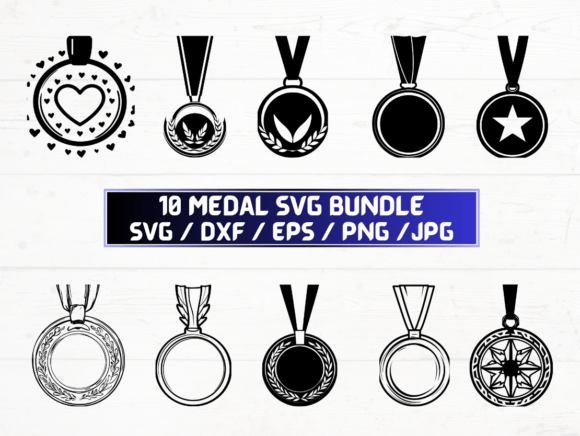
The package includes 5 distinct files in a ZIP folder, providing instant access to:
- 10 SVG Files: Essential for web developers and designers using tools like Canva or Adobe Illustrator. SVGs ensure crisp scaling on all screen sizes, from mobile phones to large desktop monitors.
- 10 PNG Files at 300 DPI: These high-resolution images with transparent backgrounds are perfect for print-ready materials, such as worksheets, printable planners, or high-quality blog posts.
- 10 DXF Files: Ideal if you need to bridge the gap between digital design and physical production, though for pure web publishing, these may be less relevant unless you are offering physical products.
- 10 JPG Files: Useful for quick previews or direct upload to CMS platforms that do not support transparency.
- 10 EPS Files: Standard vector files for professional editing in Adobe Illustrator or CorelDRAW, allowing for deep customization of colors and shapes.
This variety ensures that whether you are a beginner using drag-and-drop editors or a pro working in complex layouts, you have the right tool for the job. It supports the entire spectrum of creative design needs, from simple social posts to complex commercial design projects.
Strategic Placement and Best Practices
To maximize the impact of Medal Laser Cut, placement matters. It works best when used as an accent rather than the primary focal point. Consider using it in the following scenarios:
- Hero Images: Place a subtle medal graphic in the corner of a hero banner to denote a featured article or special offer.
- Article Thumbnails: Use it to create a consistent "series" look for your blog posts, helping with category recognition.
- Downloadable Resources: Add it to the cover of a printable design or Canva template to enhance perceived value.
- Website Banners: Use it to highlight sales, new arrivals, or exclusive content areas on your homepage.
However, caution is advised in certain contexts. Avoid using this asset in small mobile thumbnails where detail may be lost. It also requires careful handling in text-heavy blog images; ensure there is sufficient negative space so the graphic does not compete with your copy. Additionally, while the design is elegant, it may feel too decorative for serious professional niches, corporate content, or websites that demand a strictly minimal visual system. In those cases, simpler geometric shapes might serve better.
Practical Publisher Notes for Implementation
Before integrating Medal Laser Cut into your live site, I recommend running through a few quality checks:
- Responsive Testing: Always preview your graphics on both desktop and mobile screens. Ensure the medal remains legible and does not obscure critical text.
- Contrast and Readability: Test the graphic against various background colors. A medal that looks great on white might disappear on light gray. Use opacity adjustments if necessary.
- Typography Pairing: Experiment with placing the graphic beside different font styles. It pairs beautifully with serif fonts for a classic look, sans-serif fonts for a modern feel, and script fonts for a personal touch. Avoid pairing it with overly busy handwritten fonts.
- Performance Optimization: Review file sizes to ensure they do not slow down your website. Compress PNGs appropriately and leverage lazy loading for below-the-fold images.
- Licensing Verification: Confirm the commercial license terms. Since you are using this for monetized websites, affiliate pages, or paid content products, ensure you have the right to use the asset in a commercial capacity.
Ultimately, Medal Laser Cut is more than just a craft file; it is a strategic digital download that can elevate the perceived quality of your online presence. By incorporating it thoughtfully into your blog graphics and website header elements, you create a more immersive and trustworthy experience for your audience. Whether you are building a small business branding kit or updating your affiliate marketing visuals, this asset offers the flexibility and polish needed to stand out in a crowded digital landscape.