Sunflower Laser Cut Graphics for Crafts and Design
When a client approaches me with a request for "warm, organic, yet polished," I immediately start thinking about texture, natural forms, and the balance between rustic charm and modern clarity. Recently, I evaluated a design asset titled Sunflower Laser Cut to determine if it could serve as a foundational element for a boutique skincare brand’s packaging line. This review is not just about aesthetics; it is about functionality, versatility, and whether this graphic design asset holds up under the scrutiny of professional production.
The First Impression: Mood and Visual Weight
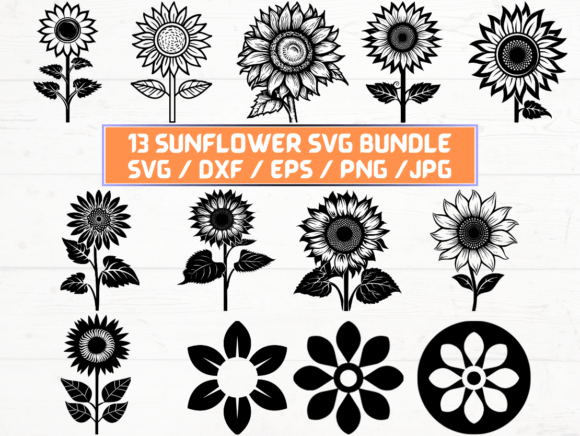
At first glance, the Sunflower Laser Cut asset strikes a delicate balance between intricate detail and bold presence. The laser-cut aesthetic implies precision, suggesting that the lines are clean enough for vinyl cutting or vector manipulation, yet organic enough to feel handcrafted. For a small business branding project, this visual mood is invaluable. It bridges the gap between modern design sensibilities and the handmade business warmth that consumers crave on platforms like Etsy.
The design does not scream for attention; instead, it invites the viewer in. In my experience with brand identity work, assets that feel too rigid often clash with organic product lines, while those that are too messy lack professionalism. This sunflower motif sits comfortably in the middle, offering a sophisticated nod to nature without feeling cliché. It creates an immediate emotional appeal, signaling freshness, vitality, and artisanal quality—traits essential for packaging design in the beauty or wellness sector.
Real-World Application: From Logo to Packaging
I tested this asset across several common design scenarios to see how it performs in real client work. Here is how it translates into practical applications:
- Logo Design and Brand Identity: The intricate cutouts work beautifully as a secondary mark or icon. While it might be too detailed for a tiny favicon, it serves as a stunning centerpiece for a primary logo lockup, especially when paired with a clean sans serif font. It adds depth to marketing visuals where simplicity alone might feel flat.
- Packaging Design: This is where the asset truly shines. Imagine this sunflower embossed on kraft paper boxes or printed as a die-cut window label. The laser-cut style mimics physical craftsmanship, enhancing the perceived value of the product. It transforms a simple box into a tactile experience, which is crucial for print-on-demand sellers aiming to reduce return rates by exceeding customer expectations.
- Social Media Graphics: For Instagram posts and Pinterest pins, the high contrast and defined edges ensure the graphic remains legible even at smaller sizes. When used as a background element or a hero image accent, it anchors the composition without overwhelming the copy.
- Crafts and Cricut Projects: For designers who also create digital products for crafters, this asset is a goldmine. The clean lines suggest it will cut cleanly from vinyl, making it ideal for sticker design, t-shirt design, and decorative home goods. It fits seamlessly into any Cricut project directory focused on seasonal decor or botanical themes.
Strategic Placement: Where It Works Best
Not every design asset fits every space. Based on my evaluation, Sunflower Laser Cut performs best in large layout areas, such as hero graphics on websites or full-page editorial design spreads. Its complexity rewards close inspection, so placing it in prominent positions allows the audience to appreciate the detail.
It also excels as a decorative accent in product mockups. Layering this asset over solid color backgrounds or subtle textures can elevate a plain template into something bespoke. For Canva templates aimed at small business owners, including this element provides an instant upgrade in visual sophistication, helping users create commercial design outputs that look agency-quality.
However, caution is required. In crowded layouts or complex backgrounds, the intricate cuts may get lost, leading to visual noise. Similarly, in minimalist branding projects where whitespace is king, this asset might feel too heavy. It should be avoided in professional corporate materials where strict visual hierarchy and ultra-clean lines are non-negotiable. If the goal is sleek, tech-forward minimalism, this organic motif may disrupt the intended tone.
Technical Considerations for Professional Use
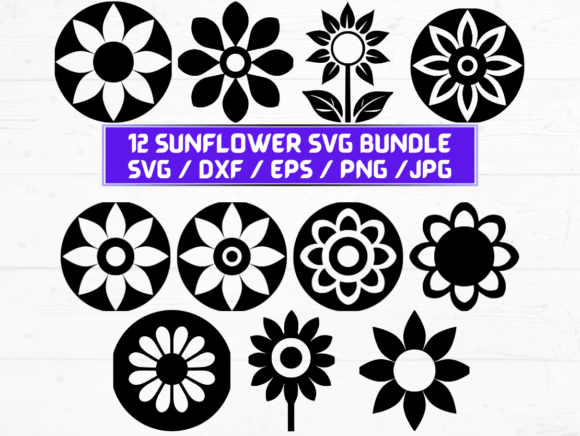
As a designer, I do not buy assets based on looks alone; I scrutinize the file structure. The listing includes a robust set of formats, which is a significant advantage for versatile workflows. Having access to SVG, DXF, EPS, PNG, and JPG files means I can adapt the asset to almost any software environment, from Adobe Illustrator to Cricut Design Space.
Here are the critical checks I perform before integrating any design bundle into a paid client project:
- Vector Editability: I verify that the SVG and EPS files are true vectors, not raster images disguised as vectors. This ensures I can scale the sunflower to billboard size without pixelation, a must for large-format web design or outdoor signage.
- Transparency Check: For the 300 dpi PNG files, I inspect the transparency channels closely. Artifacts around the delicate cutout edges can ruin a clean composite. A crisp transparent background is essential for overlaying the graphic onto photos or colored backgrounds.
- Contrast and Readability: I test the asset in black and white to ensure the negative space holds up. If the internal details collapse when inverted, its usability is limited. I also check contrast against both light and dark backgrounds to guarantee it maintains its structural integrity.
- Font Pairing: I experiment with pairing the organic curves of the sunflower against various typefaces. A structured sans serif font often provides the best counterbalance, preventing the design from feeling too whimsical. Conversely, a script font might enhance the handmade vibe but risks looking dated if not chosen carefully.
Commercial Licensing and Final Verdict
Before using any digital product for profit, confirming the commercial license is paramount. Does the license allow for end-product sales? Can it be used on merchandise sold via print-on-demand services? These questions dictate the asset's ROI. Assuming proper licensing is secured, Sunflower Laser Cut proves to be a highly adaptable tool.
For creators in the creative marketplace, this asset offers multiple revenue streams. It can be used to create printable wall art, sublimation designs for tumblers, or digital stickers for planners. Its versatility supports a wide range of crafts and graphics applications, making it a smart addition to any designer’s library.
In conclusion, Sunflower Laser Cut is more than just a pretty picture; it is a functional component of a broader design strategy. It brings warmth, precision, and a touch of artisanal elegance to projects ranging from editorial design to social media graphics. By understanding its strengths in large-scale applications and respecting its limitations in minimalist contexts, designers can leverage this asset to create cohesive, trustworthy, and emotionally resonant brand experiences. For anyone looking to add a layer of refined organic beauty to their small business branding, this is a reliable and stylish choice.